Professional HVAC Solutions for Best Home Thermal Management
Dependable HVAC solutions are crucial in maintaining optimal indoor temperature regulation. Homeowners often encounter problems such as strange noises, inconsistent climate control, and rising energy costs. Routine upkeep can significantly enhance system efficiency and indoor air quality. Selecting an appropriate HVAC contractor is vital for long-term benefits. Recognizing the indicators that indicate a need for repair can better improve comfort in the home. What particular warning signs should homeowners be aware of?
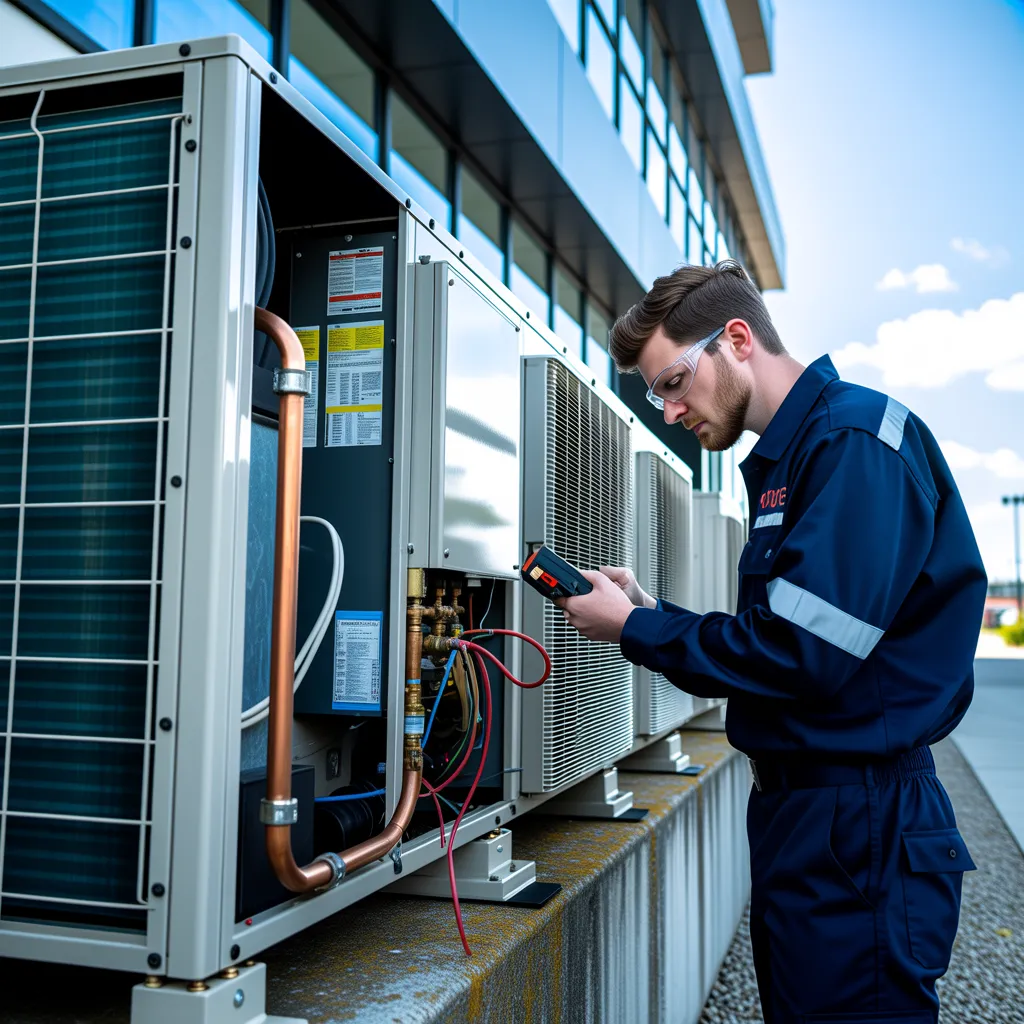
Warning Signs Your HVAC System Needs Attention?
How can homeowners determine when their HVAC system needs repair? Several indicators can assist in recognizing potential issues. Strange sounds, such as grinding or whistling, often indicate mechanical malfunctions. Additionally, inconsistent temperatures across different rooms may suggest ductwork issues or a faulty thermostat. Homeowners should also be alert to a rise in energy bills, which can indicate that the system is working harder than needed to sustain comfort.
An critical sign is the manifestation of uncommon odors, which might point toward electrical concerns or fungal growth within the system. Frequent toggling on and off, known as short-cycling, can generate increased wear and tear. At last, if the system is emitting sparse air or no air at all, it may require prompt action. Recognizing these indicators early can forestall more extensive impairment and costly repairs.
Reasons Periodic HVAC Upkeep Is Essential
Ongoing HVAC upkeep is vital for guaranteeing peak performance and extending the operational life of the system. Regular reviews and upkeep help uncover forthcoming trouble spots before they compound into costly work. During maintenance, HVAC experts commonly clean components, monitor refrigerant levels, and validate that all parts execute optimally. This proactive approach not just strengthens system reliability but additionally improves energy savings, producing lower utility bills.
Furthermore, regular maintenance can considerably enhance indoor air quality by making sure filters are properly maintained and ventilation systems are unobstructed. Avoiding maintenance can produce poor performance and increased wear on components, in the end shortening the system's lifespan. In addition, numerous manufacturers mandate regular maintenance to keep warranty coverage. By maintaining a consistent HVAC maintenance schedule, homeowners can achieve a pleasant living environment while minimizing costly unexpected repairs and expenses. Ultimately, regular maintenance is an essential investment in home climate control.
Important Points When Picking An HVAC Company
Selecting the right HVAC service provider is critical to sustaining an optimal home climate control system. Several significant factors should be reviewed to ensure peak service. First, the provider's credentials and coverage status is vital; this protects homeowners from potential risks. Second, assessing skill and knowledge is imperative; seasoned technicians are more likely to diagnose and resolve issues effectively.
Additionally, customer reviews and testimonials can shed light on the service provider's dependability and service excellence. Cost clarity is another crucial aspect; a trustworthy company should offer clear estimates without hidden fees. Finally, responsiveness and customer support play a critical function in routine maintenance and urgent situations. By carefully evaluating these factors, homeowners can identify a reliable heating and cooling specialist, ultimately promoting a pleasant and economical living environment.
Various HVAC Types You Should Learn About
Understanding the several types of HVAC systems is essential for optimal home climate control. Central air conditioning systems, ductless mini-split systems, and heat pump systems each deliver distinct advantages and applications. Understanding with these options enables homeowners to make thoughtful decisions adapted to their specific needs.
Central Air Temperature Regulation Systems
While many property owners seek effective climate control solutions, central air conditioning systems stand out as a preferred choice due to their efficiency and ability to cool large spaces evenly. These systems operate by distributing chilled air through a network of ducts, delivering consistent temperatures across multiple rooms. Central air conditioning units generally feature an outdoor compressor and an indoor evaporator coil, which collaborate to remove heat from the air. This method not only enhances comfort but also supports better air purity by filtering dust and allergens. Additionally, central systems can be integrated with smart thermostats, allowing homeowners to manage energy usage more efficiently, thereby lowering utility costs while maintaining a cozy home.
Ductless Mini-Split Systems
Ductless mini-split systems provide a versatile and efficient option for homeowners desiring tailored climate control. These systems consist of an outdoor compressor unit and one or more indoor air-handling units, enabling precise temperature management in individual rooms. This flexibility enables homeowners to adjust heating and cooling according to their specific needs, improving comfort while possibly lowering energy costs. In addition, ductless systems are simpler to set up than traditional systems, as they need minimal ductwork, making them ideal for updating older homes. Their compact design also permits installation in spaces where conventional systems may not visit now fit. As a result, ductless mini-split systems are increasingly popular for those looking to improve home climate control efficiently.
Heat Pump Technologies
Heat pump systems serve as another advanced option in contemporary HVAC technology, supplying both heating and cooling solutions through a single unit. These systems work by transferring heat rather than creating it, making them efficient with energy and eco-friendly. There are two main types: air-source and ground-source (or geothermal) heat pumps. Air-source units extract heat from the outside air, while ground-source systems draw heat from the ground. Both types can markedly reduce energy bills and lower carbon footprints. Heat pumps are particularly productive in moderate climates, where they can maintain comfortable indoor temperatures year-round. However, their efficiency can decrease in extreme temperatures, demanding supplemental heating. Overall, heat pump systems are a adaptable choice for homeowners seeking sustainable climate control solutions.
Reasons HVAC services Could Support You Save Spending On Energy Bills
Quality HVAC services serve as a critical component in minimizing energy bills for homeowners. Preventative maintenance, modern thermostat solutions, and energy-efficient upgrades can considerably improve system performance. By enhancing these factors, homeowners can secure major reductions on their energy expenses.
Optimized System Maintenance
Maintaining an HVAC system is vital for improving energy efficiency and reducing monthly utility costs. Routine check-ups and tune-ups ensure that the system functions at peak performance, minimizing energy consumption. Routine maintenance tasks, such as maintaining or replacing filters, can dramatically enhance airflow and reduce strain on the system, leading to decreased utility bills. Additionally, tackling minor issues before they become major repairs can save homeowners large amounts in the long run. HVAC professionals can pinpoint performance issues and suggest modifications, guaranteeing that the system runs smoothly throughout the year. By stressing consistent system maintenance, homeowners can achieve a comfortable indoor climate while also enjoying major cost savings on their energy expenses.
Smart Thermostat Setup
A intelligent temperature control device can greatly enhance power efficiency for homeowners while providing greater control over indoor climate. By automatically adjusting climate control configurations based on usage patterns and personal choices, these devices maximize power usage. HVAC services play a vital role in the installation process, ensuring that the thermostat is compatible with existing systems and set up for maximum efficiency. Professional technicians can also inform homeowners on features like off-site control and energy usage reports, enabling knowledgeable choices about climate control. Additionally, many smart thermostats connect with smart home platforms, additionally enhancing energy management. Ultimately, putting money into smart thermostat setup through reliable HVAC services can lead to substantial decreases in utility costs while enhancing general ease in the home.
Energy-Effective Improvements
Energy-efficient improvements are vital to saving on energy costs on energy bills while boosting home comfort. HVAC services can aid homeowners in pinpointing and applying these upgrades, which include efficient heating systems, energy-saving air conditioners, and enhanced insulation. By swapping out outdated systems with contemporary, efficient models, households can cut energy consumption considerably. Additionally, consistent maintenance ensures optimal performance, eliminating costly repairs and poor operation. Insulating ductwork and sealing leaks further improve energy efficiency, allowing for superior climate control throughout the home. Putting these upgrades not only cuts monthly utility costs but also supports a more sustainable environment. Overall, energy-efficient improvements constitute a prudent financial choice for homeowners aiming to maximize both comfort and savings.
HVAC Services Optimize Air Quality
Enhancing air quality in your home is a main benefit of professional HVAC services. Proper maintenance and servicing of HVAC systems guarantee that filters are clean and functioning effectively, which helps contain dust, allergens, and other pollutants. Regular inspections can identify issues such as mold growth or duct leaks, both of which can greatly diminish air quality.
Additionally, HVAC technicians can recommend and set up air filtration units, which additionally enhance the home environment by trapping fine particles. They can also assess moisture levels, as high humidity can cause mold and mildew, compromising air quality.
What To Get Ready For During Your HVAC Service Call
Keeping optimal indoor air quality frequently causes homeowners to book HVAC appointments. During these visits, technicians typically start with a thorough inspection of the system, evaluating components such as filters, ducts, and thermostats. They may ask questions regarding any particular issues or strange sounds, allowing them to customize their service.
Finally, technicians often clean or replace filters to enhance efficiency and air quality. They may also examine refrigerant quantities and screen for any leakage, ensuring excellent performance. Additionally, they will run the system's tests, verifying that heating and cooling functions operate smoothly.
Homeowners can anticipate a detailed analysis presenting recommendations and findings. This may include recommendations for future upkeep or potential improvements. By mastering these procedures, homeowners can better value the importance of consistent HVAC service calls in maintaining a pleasant and safe home setting.
Frequently Common FAQs
How Much Time Will an HVAC Installation Process Generally Require?
HVAC installation generally takes between one to three days, based on the system's complexity and the extent of the home. Factors such as current setup and required modifications can also influence the duration.
What Coverage Options Are Offered for HVAC Systems?
HVAC systems typically offer multiple warranties, like limited parts warranties, prolonged service warranties, and extensive system warranties, which may differ by manufacturer and installation service. Customers should examine options thoroughly to ensure adequate coverage.
Can I set up an HVAC System on my own?
Installing an HVAC system independently is achievable but frequently challenging. Correct knowledge, equipment, and local codes must be evaluated. Professional installation is normally advised to ensure security, effectiveness, and compliance with regulations.
What Is the Average Lifespan of an HVAC Unit?
The average lifespan of an HVAC unit customarily extends from 15 to 25 years. Factors like maintenance, usage, and atmospheric factors can greatly influence its longevity, altering overall performance and efficiency.
What Frequency Should I Swap Out My HVAC Filters?
HVAC filters need regular replacement every one to three months, contingent upon usage and environmental factors. Consistent replacement ensures peak system efficiency and improves indoor air quality, fostering a healthier living environment.
Comments on “Expert Holiday Commercial AC Repair for Offices, Restaurants, and Retail Spaces”